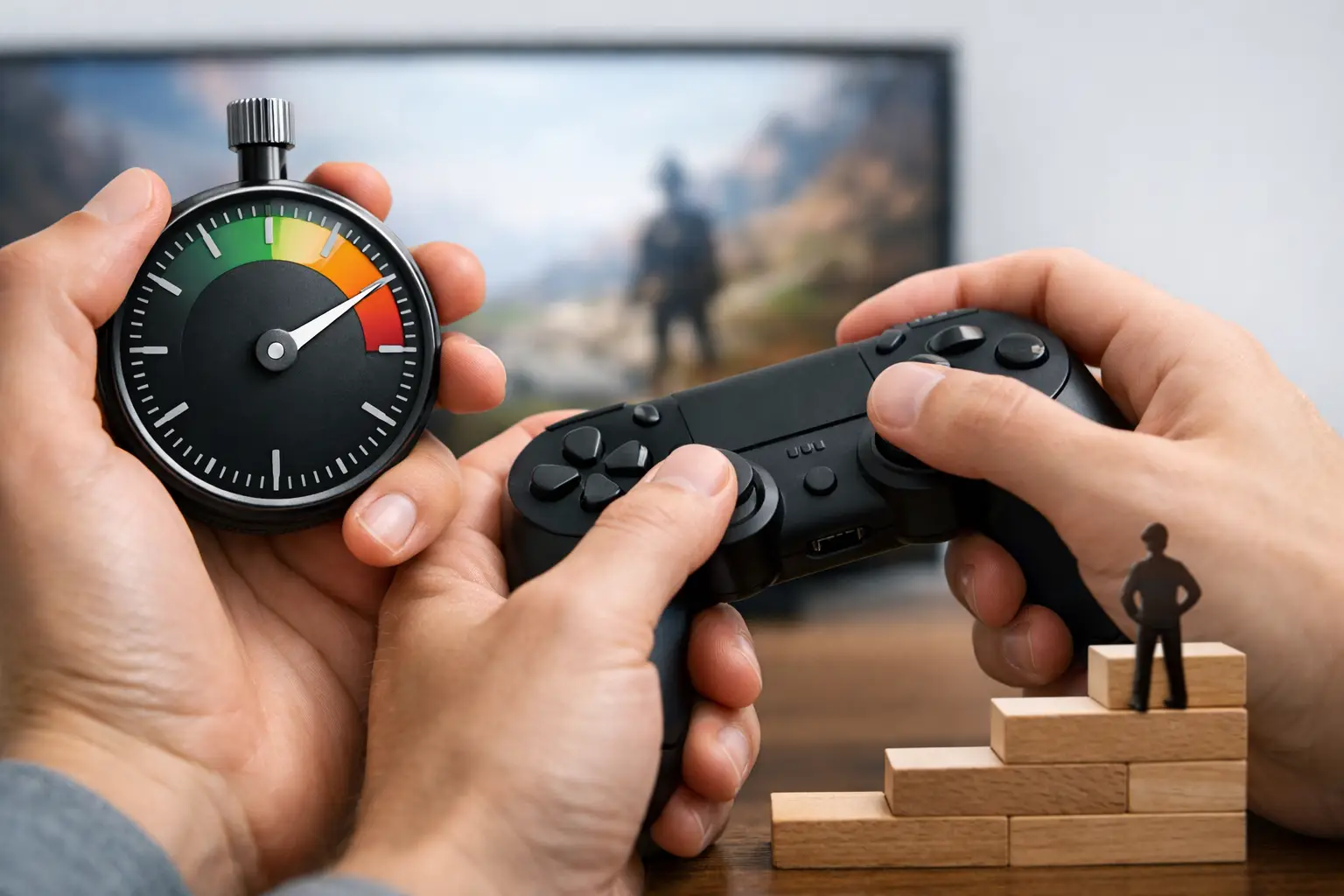
A quick session can turn into a long one when a new slot, fish game, or bonus round keeps the momentum going. That is why knowing how to set play limits matters. Limits give you a clear plan before gameplay starts, so your entertainment stays on your terms instead of being driven by the next spin.
On a social gaming platform, play limits are personal account controls and habits that help you manage time, virtual coin activity, and overall engagement. They are not about taking the fun out of gameplay. They are about making room for it without letting it crowd out your budget, routine, or responsibilities.
How to Set Play Limits Before You Start
The best time to make a decision about play is before you open a game. Once you are actively playing, it is easier to keep going because you are focused on the action, new releases, or a game you have recently enjoyed. Set a limit while you are clear-headed and treat it as part of signing in, just like checking your wallet or account history.
Start by choosing the type of limit that fits what you want to control. A time limit works well if you play during breaks, after work, or before bed. A coin purchase or spend limit can be useful if you buy virtual currency as part of your entertainment budget. You can also set a session limit, such as playing a fixed number of rounds or stopping after you have tried two game categories.
Keep the limit specific. “I will not play too much” is hard to act on. “I will play for 30 minutes tonight and log out when my timer ends” gives you a clear stopping point. The more concrete the rule, the easier it is to follow.
Choose Limits That Match Your Play Style
There is no single number that works for every player. A casual player who opens a few slots on weekends may need a different plan than someone who checks the platform daily for promotions, favorites, and recently played titles. Your limit should reflect how you use social casino entertainment, not someone else’s routine.
Set a session time limit
Time limits are one of the simplest controls because they do not require you to track every play. Decide how much time feels reasonable for a session, then set an alarm on your phone before you begin. When the alert goes off, finish the current round and sign out.
A 20- or 30-minute session is a practical starting point for many players. If you want a longer session, build in a break. Step away for 10 minutes, get a drink, or switch to another activity before deciding whether you still want to return. That pause helps separate a deliberate choice from automatic continued play.
Set a virtual coin budget
If you purchase coins, decide on an entertainment amount ahead of time. Use only an amount that fits comfortably within your personal budget after essentials such as housing, food, transportation, and bills are covered. Virtual currency is for gameplay, not a way to solve financial pressure.
It also helps to set a weekly or monthly purchase boundary rather than making the decision each time a promotion appears. Promotions can be exciting, but they should not override the amount you planned to spend. If you reach your budget, wait until the next budget period instead of increasing it in the moment.
Set a gameplay stopping point
A time limit is useful, but a stopping rule adds another layer of control. You might decide to stop after a set number of rounds, after trying a new game, or after your designated coin balance for that session is used. The right approach depends on what makes you most likely to continue playing longer than intended.
Avoid rules based on “getting even” or chasing a particular outcome. Casino-style games are designed around chance, and no session result is guaranteed. A pre-set stopping point keeps your decision tied to your plan, not to the result of the last round.
Use Account Tools and Make Them Part of Your Routine
Good account management makes limits easier to maintain. Use the dashboard to review your wallet, transaction history, purchases, bonuses, and redemption activity. Checking these details regularly gives you a more accurate view of how often you play and how you use your account.
At Kickbackspins, account tools are built to support clear visibility across digital balances and activity. Make a habit of reviewing your history before adding coins or starting another extended session. Seeing your recent activity in one place can help you decide whether today is a good time to play or a good time to take a break.
If responsible gaming controls are available in your account, use them early rather than waiting until gameplay feels difficult to manage. Depending on the platform, options may include time reminders, purchase restrictions, cooling-off periods, or self-exclusion choices. These settings create a boundary that does not rely on willpower alone.
It is also smart to turn off unnecessary notifications if they make you feel pressured to play. You can still check for new games or offers when you choose. The goal is to keep entertainment intentional, not reactive.
Watch for Signs Your Limits Need Adjustment
A limit should be reviewed when it no longer feels effective. If you regularly ignore a timer, buy more coins than planned, or keep playing when you meant to log out, do not treat that as a small detail. It is a signal to tighten the boundary or take a longer break.
Other signs include playing to escape stress, hiding the time or money spent from people close to you, losing sleep, or skipping work, family, or personal commitments for gameplay. Social casino entertainment should fit around your life. It should not become the activity that sets the schedule.
When you spot a pattern, make the next step simple. Reduce session length, remove stored payment methods where available, take a cooling-off period, or ask a trusted person to help you stay accountable. If play is causing financial strain or emotional distress, stop playing and seek confidential support from a qualified responsible gaming or mental health resource.
Keep Play Separate From Financial Expectations
Sweepstakes-style social gaming may include virtual currencies and eligible redemption features, but gameplay is still entertainment. Treat any promotional or redemption opportunity according to the platform’s rules, eligibility requirements, and verification process. Do not build a household budget around expected outcomes from games.
This distinction matters most when you are having a streak that feels especially exciting or disappointing. A positive result does not mean the next session will follow the same pattern. A disappointing session is not a reason to extend play. Your limit should remain the same whether the game is going your way or not.
A useful check is to ask one question before every session: “Would I still be comfortable with this amount of time and coin activity if the outcome is not what I hope for?” If the answer is no, lower the limit or wait until another day.
Make Responsible Play Easy to Repeat
Limits work best when they are routine rather than a one-time promise. Put your standard session length in your phone notes, schedule game time around other plans, and review your account activity at the end of the week. Small, repeatable actions are more effective than relying on a different decision every time you play.
You can still enjoy new slots, trending games, and the energy of a well-timed bonus while keeping control of the session. Set the boundary first, use the account tools available to you, and let your plan decide when play ends. The best limit is one that leaves the game enjoyable and the rest of your day fully yours.