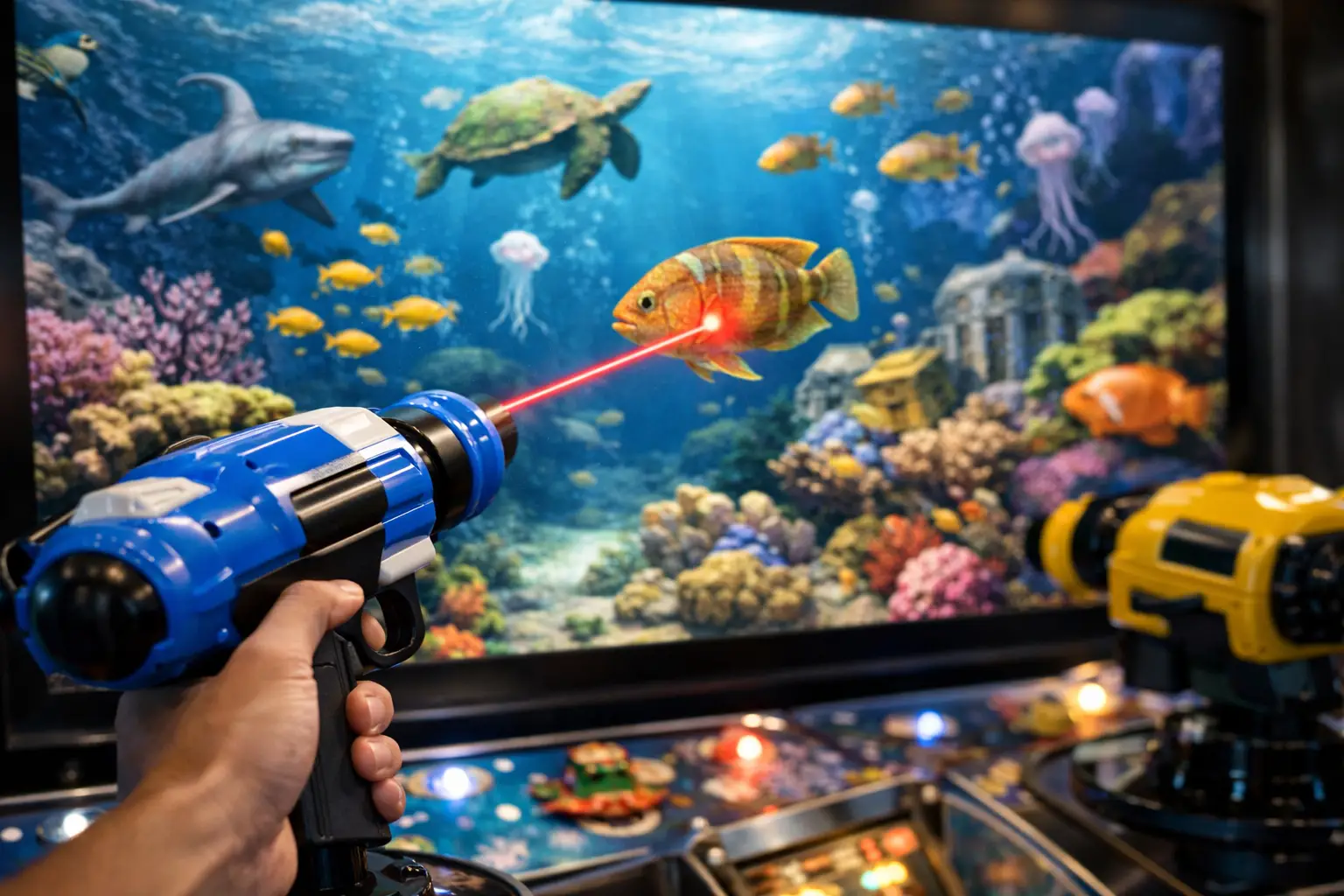
Fish games move fast. Targets cross the screen at different speeds, weapon levels change the cost per shot, and a crowded board can make every tap feel urgent. To improve fish game accuracy, slow the decision down just enough to aim with purpose instead of firing at every moving target.
Accuracy is not a promise of a specific outcome. Fish-style social casino games use their own game logic and random elements, so no aiming method can guarantee a prize, a bonus trigger, or a return. What disciplined play can do is help you use your available virtual coins more intentionally, recognize targets clearly, and keep your session within the limits you set.
Improve Fish Game Accuracy by Reading the Board
The first shot should not always happen the second a round loads. Take a few moments to watch the board. Notice which fish enter from the edges, which ones travel in straight paths, and where groups tend to cross. This quick read gives you a better sense of timing than reacting to motion alone.
A clean board is usually easier to play accurately than a crowded one. When several fish overlap, it can be difficult to confirm which target is under your crosshair. If the game allows you to wait between shots, let a cluster separate before committing a higher-cost shot. The goal is not to chase every fish. The goal is to take shots you can identify and control.
Pay attention to direction as well as distance. A fish moving toward the center may remain in a predictable lane for a moment. A fish that is turning, weaving, or passing behind a larger target may be harder to track. Choose the clearer path when you have a choice.
Aim ahead of moving targets
Many fish games reward players who account for movement rather than aiming only at a target's current position. If a fish is traveling steadily from left to right, place your aim slightly ahead along its path. The right amount of lead depends on the game speed, your selected weapon, and how quickly the target moves.
Start with small adjustments. Leading a fast target too far can be as ineffective as aiming behind it. Watch where your shots land, then make one measured correction on the next attempt. Treat each short sequence as feedback, not as a reason to rush.
Match Your Shot Level to the Target
Higher shot values can feel exciting, especially when a larger fish appears. But using the strongest available shot on every target can drain your coin balance quickly. A better approach is to match your wager level to the target you can clearly track and to the session budget you planned before playing.
Use lower-cost shots when you are getting familiar with the board, testing your aim, or following small, predictable targets. Consider a higher setting only when you understand its cost per shot and are comfortable with the amount being used from your balance. This is account control, not hesitation.
Large targets are not automatically the best target. They may have more screen presence, but they can also move unpredictably, overlap with other fish, or tempt players into repeated chasing. If your aim is getting scattered, return to targets that are easier to follow. Consistency often feels less dramatic, but it supports a more controlled session.
Avoid the chase pattern
A chase pattern starts when one missed target becomes the focus of the whole session. You increase shot value, fire faster, and keep following the same fish across the board because it feels like you are already invested. That feeling is a signal to reset.
Pause, look at your wallet balance, and decide whether the next shot fits your original plan. Virtual coin gameplay should remain entertainment. Do not let a fast-moving target dictate how you manage your account.
Set Up Your Screen for Better Control
Fish game accuracy is partly about attention. A cramped mobile screen, unstable connection, or rushed environment can make accurate play harder. Before starting, use a comfortable grip, clear distractions from the screen, and make sure the game controls respond normally.
On mobile, avoid tapping while your thumb is blocking the lower play area. If your device supports landscape mode and the game is designed for it, that view may provide a wider look at incoming targets. On a larger screen, sit far enough back to see the entire board without scanning frantically from side to side.
Connection quality matters too. If the game appears to stutter or controls feel delayed, do not try to compensate by firing more quickly. Wait for stable performance, refresh according to the platform's normal options, or contact support if a technical issue continues. Your transaction and gameplay records should remain easy to review through your account tools.
Build a Repeatable Target Routine
The most useful fish game habit is a simple routine you can repeat every session. Instead of tapping whenever something appears, use the same short check before a shot: identify the fish, read its direction, select a comfortable shot level, and aim for a clear lane.
This does not need to slow gameplay to a crawl. With practice, the check takes seconds. It simply replaces random tapping with deliberate action. If a target disappears before you complete the check, let it go. There will be another play opportunity.
A good routine also includes planned pauses. Take a break after a set number of rounds, after a bonus sequence, or whenever you notice yourself speeding up. These breaks help prevent fatigue, which is one of the quickest ways to lose track of targets and coin usage.
Use session limits before you start
Accuracy has a budget side. Before entering a fish game, decide how many virtual coins you are comfortable using for that session and how long you want to play. A clear limit makes it easier to choose a reasonable shot level and easier to stop when the session reaches its endpoint.
If you purchase coins or use Sweepstakes Coins where available, review the applicable platform rules, account balance, and transaction history before continuing. Keep your gameplay decisions separate from impulse. Kickbackspins account tools are designed to make wallet activity and session management easier to monitor.
Learn From Your Own Play, Not From Myths
Fish games attract plenty of advice about lucky times, guaranteed patterns, and “due” targets. Treat those claims carefully. A target that has stayed on screen for a long time is not owed to any player, and a series of misses does not mean the next shot must produce a particular result.
The feedback worth using is visible and personal: Were you aiming ahead too much? Did you increase your shot level without noticing? Were overlapping targets causing you to lose sight of your intended fish? These are practical questions that can improve your control without pretending to predict game outcomes.
After a session, review what made you feel focused and what made you start rushing. You may find that short sessions, a lower shot setting, or a less crowded game board fits your play style better. It depends on the game and your preferences, but the process stays the same: observe, adjust, and keep your limits clear.
Keep Accuracy in the Right Perspective
Better aim can make fish game sessions more engaging because each shot has a reason behind it. It cannot change the underlying rules of a game or remove the random elements built into gameplay. The strongest approach combines clear targeting with responsible coin management and the confidence to step away when play stops feeling fun.
Next time the board fills up, resist the rush. Pick one visible target, take the shot you planned, and let your account limits do their job.